
Category Uncategorized

How to Calculate Overhead Crane Load Capacity Safely

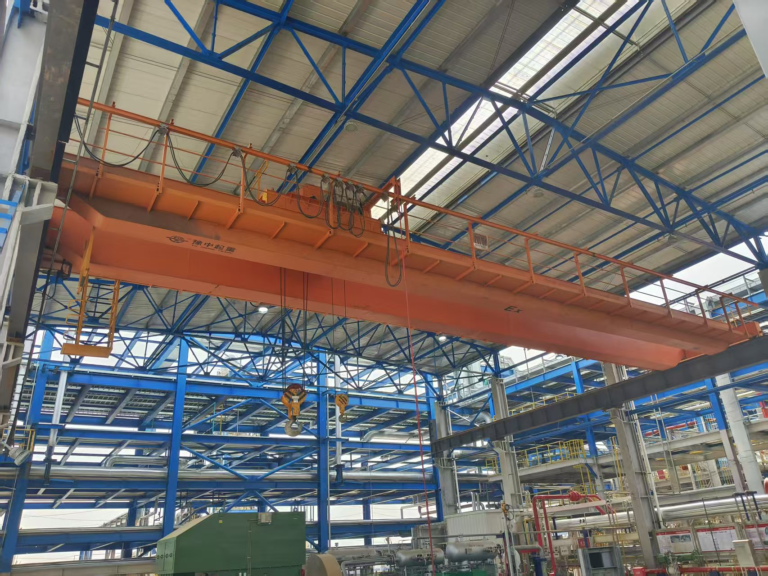
The rated capacity stamped on an overhead crane nameplate states the maximum load the machine can lift. It does not include the weight of below-the-hook devices, rigging, or the hook block, however. Instead, the actual payload the crane can lift…

What Certifications Should a Crane Manufacturer Have? The Complete Buyer's Guide

What Is the Lifespan of an Industrial Overhead Crane?

Under normal use and disciplined maintenance, an industrial overhead crane carries a design life of 15 to 30 years. Light-duty machines, for example, fall in the A1–A3 duty class and serve repair shops and warehouse handling. They commonly serve 15…

How to Choose a Mining Crane for Heavy-Duty Work

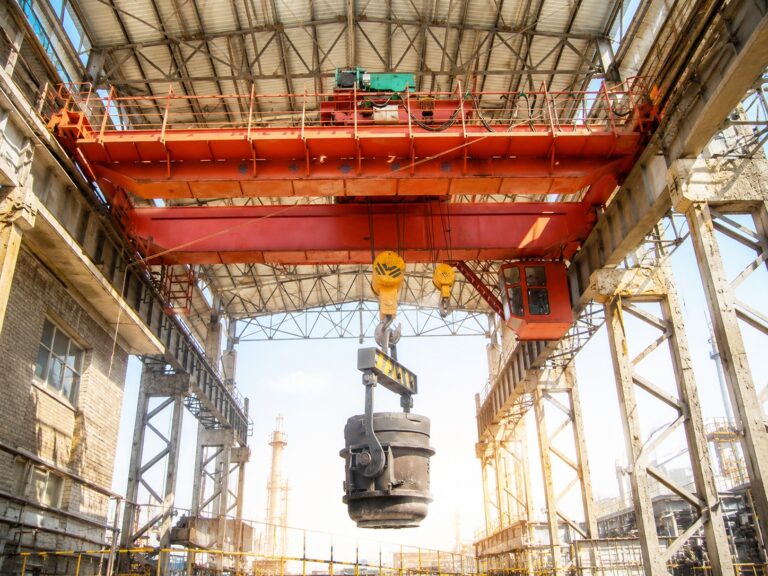
Mining cranes are heavy-duty lifting machines built for mining and mineral processing environments where dust, vibration, moisture, and corrosion are not exceptions—they are the baseline. When you choose a mining crane, four parameters matter most. First, the duty class should…

Why Use a Stainless Steel Pharmaceutical Crane?

The pharmaceutical industry must use stainless steel cranes. Stainless steel has a smooth, non-porous surface that resists corrosion, does not shed particles, and withstands repeated cleaning and disinfection. Those properties meet GMP, or Good Manufacturing Practice, requirements for controlled environments.…

What Makes a Military Crane Different from Standard?

Military cranes are purpose-built lifting devices for defense missions. They far exceed standard industrial cranes in structural reinforcement, all-terrain mobility, resistance to electromagnetic interference, and rapid deployment. They must also meet military standards such as MIL-STD and NATO. Compared with…

Key Features of a Container Spreader for Port Use

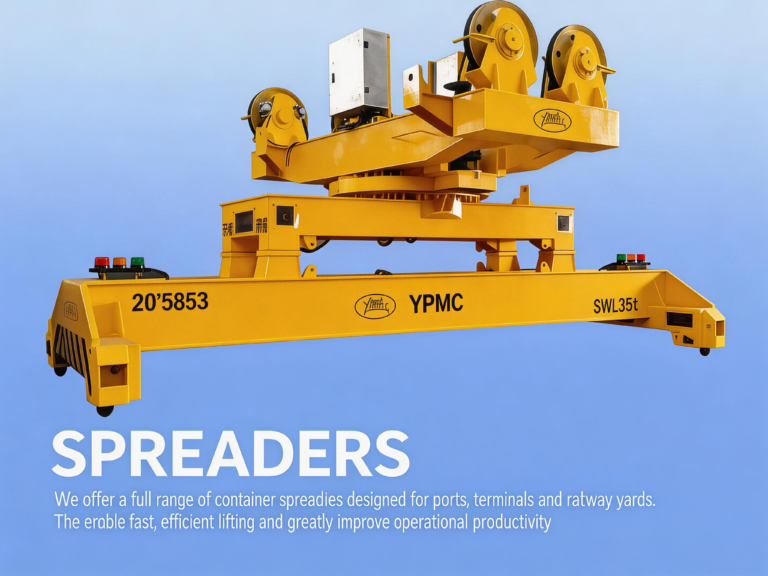
A container spreader for port use needs five core features: rapid locking, high cycle frequency, C5-M corrosion protection, automation readiness, and quick wear-part replacement. Port work brings saltwater corrosion, high intensity, and costly downtime that standard yard spreaders simply cannot…

Maintaining a Container Spreader for Terminal Operations

The core rule for terminal spreader maintenance is prevention first, regular inspection, and quick repairs. A four-level system — daily pre-shift checks, weekly inspections, monthly servicing, and annual overhauls — can cut unplanned downtime by over 60%. The spreader is…

Product Enquiry